
PPF for Headlights and Tail Lights: Protection Worth Considering
Headlights Are the Most Expensive Thing You’re Not Protecting
When people think about paint protection film, they think about hoods, bumpers, and fenders. The headlights rarely come up in the initial conversation. But here’s the reality: a modern headlight assembly on a luxury or performance vehicle costs $800 to $3,000+ to replace. Some go higher.
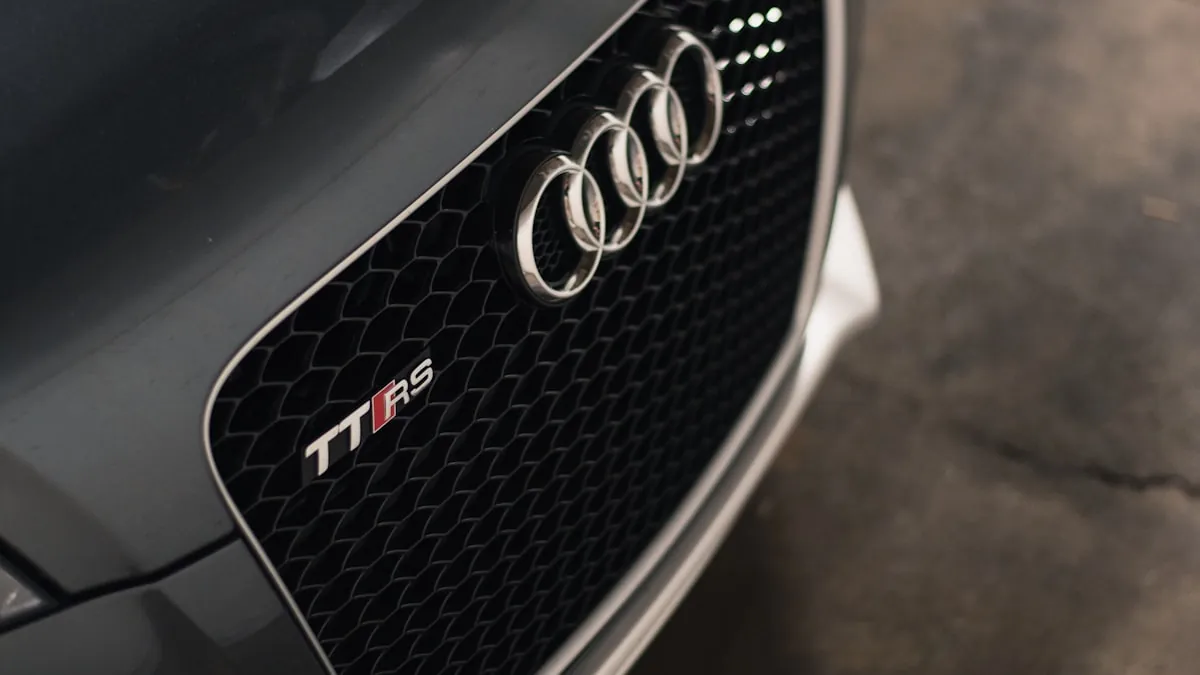
An LED matrix headlight assembly on a BMW 5 Series? Around $1,200 per side. Porsche’s PDLS+ adaptive headlights? $2,000-$3,000 per side. Audi’s laser headlights? $2,500+. Mercedes’ DIGITAL LIGHT assemblies? Over $3,000 each.
A single well-aimed rock chip to an unprotected headlight lens can crack it, pit it, or create a visible impact mark that can’t be polished out. The entire assembly needs to be replaced.
PPF for headlights costs $200-$400 for a pair. That’s the math. Spend $300 now or risk spending $2,000-$6,000 later.
Why Modern Headlights Are More Vulnerable
Older vehicles used thick glass headlight lenses that could absorb impacts without much consequence. Modern headlights use polycarbonate plastic lenses. Polycarbonate is lighter, easier to mold into complex shapes, and allows for the sophisticated LED and laser assemblies that define modern vehicle design.
But polycarbonate is softer than glass. It’s more susceptible to:
- Rock chips — a direct hit creates a visible impact crater or crack
- Sand and road debris pitting — thousands of micro-impacts over time create a haze of tiny pits
- UV degradation — unprotected polycarbonate yellows and hazes over time from UV exposure
- Chemical damage — road chemicals, bug acids, and cleaning products can etch or stain the surface
Once a polycarbonate headlight lens is damaged, the options are limited. Minor hazing can sometimes be polished, but pits, cracks, and deep chips require assembly replacement.
What Headlight PPF Actually Does
Headlight-specific PPF is engineered for optical clarity. The film is formulated to:
- Maintain light output — properly designed headlight PPF transmits 98%+ of light, well within legal requirements. Your headlights function identically with or without the film.
- Absorb rock impacts — the film’s polyurethane layer absorbs energy from debris strikes, preventing the impact from reaching the polycarbonate lens.
- Block UV radiation — the film filters UV rays that cause yellowing and hazing of the lens over time.
- Self-heal surface scratches — the same self-healing top coat used on body PPF keeps headlight film clear and scratch-free.
The film sits on the outer surface of the headlight lens, acting as a sacrificial barrier. Debris hits the film, the film absorbs the impact, and the lens underneath remains untouched.
Headlight PPF Products
Major PPF manufacturers offer headlight-specific products:
- XPEL Ultimate Plus — their standard PPF works on headlights with excellent clarity
- STEK Light Protection Film — specifically designed for automotive lighting with optimized optical properties
- SunTek Ultra — their clear PPF line includes headlight applications
These professional-grade films are specifically formulated for optical clarity on lighting surfaces. They’re different from the cheap “headlight tint” films you find on Amazon — more on that distinction shortly.
Tinted Headlight and Tail Light PPF
Beyond clear protection, there’s a growing market for tinted PPF on headlights and tail lights. These films add a smoked, darkened appearance while still providing physical protection.
Smoked Headlights
Light smoke tint on headlights creates a subtle darkened appearance — the headlight looks blacked out when off but functions normally when on. Available in light, medium, and dark tint levels.
Important caveat: heavily tinted headlight film can reduce light output to levels that are legally questionable or genuinely unsafe. A light smoke tint (15-20% reduction) is generally fine. Anything darker needs to be evaluated for actual nighttime visibility. We always discuss this honestly with clients — looking cool doesn’t justify compromised night vision.
Smoked Tail Lights
Tinted tail light PPF is the most popular aesthetic modification in the headlight/tail light PPF category. A smoked tail light gives the rear of the vehicle a more aggressive, cohesive look — especially on vehicles with large, prominent tail light assemblies.
The tint levels available for tail lights are more aggressive than headlights because tail lights are LED-based and produce more light relative to the required visibility standards. A medium smoke that would be too dark for headlights may be perfectly acceptable for tail lights.
Popular vehicles for tail light tint PPF:
- Tesla Model 3 and Model Y — the continuous light bar benefits from a subtle smoke
- BMW 3/4/5 Series — darkened tail lights complement the aggressive rear styling
- Dodge Charger/Challenger — smoked tails are practically a community standard
- Ford Mustang — the sequential tail lights look exceptional through a light tint
Legality Note
Texas law requires headlights to be white or amber and tail lights to be red. Light smoke tints that don’t alter the perceived color of the light are generally accepted. Heavy tints that change the color appearance or significantly reduce light output could result in a failed inspection or traffic citation. We recommend conservative tint levels that enhance appearance without creating legal or safety issues.
The Full Lighting PPF Package
Beyond headlights and tail lights, PPF can be applied to all exterior lighting:
- Fog lights — low-mounted and directly in the debris line of fire
- Daytime running lights (DRLs) — often integrated into the bumper where they’re exposed to impacts
- Side markers — small but expensive on luxury vehicles with LED side markers integrated into the fenders
- Third brake light — especially on vehicles where it’s integrated into a spoiler or rear wing
A complete lighting PPF package covers all exposed optical surfaces on the vehicle, creating uniform protection across every lens.
Headlight PPF as an Entry Point
If you’ve been considering PPF but aren’t ready for a full front kit, headlight and tail light protection is an excellent starting point. Here’s why:
Lower Cost, Immediate Value
At $200-$400 for headlights and $150-$300 for tail lights, lighting PPF is the most accessible entry point to paint protection film. You get real, tangible protection against expensive damage without committing to a $2,000+ installation.
See the Quality Firsthand
Having headlight PPF installed lets you experience professional PPF quality — the clarity, the self-healing, the invisible protection — on a small scale. Many clients start with headlight PPF and come back for a full front kit after seeing the results.
Build Your Coverage Over Time
Start with headlights. Add tail lights next visit. Then a full front kit when the budget allows. Building PPF coverage incrementally is a perfectly valid approach, and headlights are the natural starting point because they offer the highest protection value relative to their cost.
What Cheap Amazon Headlight Film Gets Wrong
There’s a massive difference between professional headlight PPF and the $15-$30 “headlight tint” or “headlight protection film” kits on Amazon. The cheap kits:
- Yellow within 6-12 months — inferior UV stabilizers break down quickly in Texas sun, leaving your headlights with a yellow tinge that looks worse than no film at all
- Reduce light output significantly — even “clear” versions often reduce light output by 10-20%, which is noticeable at night
- Don’t self-heal — cheap film scratches and stays scratched, accumulating haze that reduces clarity over time
- Use inferior adhesive — either too strong (damages the lens when removed) or too weak (peels off in Texas heat)
- Aren’t optically clear — visible texture, distortion, or haze that makes the headlight look different from the rest of the vehicle
Professional headlight PPF from XPEL, STEK, or SunTek uses the same multi-layer engineering as their body panel film, scaled for optical applications. It’s genuinely invisible, maintains full light output, and lasts 7-10 years without yellowing.
Installation Process
Headlight and tail light PPF installation is relatively straightforward compared to body panel work, but it still benefits from professional execution:
- Thorough cleaning — the lens surface is decontaminated to remove road film, bug residue, and any oxidation
- Light polish if needed — minor hazing or surface scratches are polished out before the film goes on
- Pre-cut film — the film is cut from a plotter to your exact headlight/tail light shape
- Wet application — slip solution allows precise positioning over the lens
- Squeegee and heat — solution is removed and film is conformed to the lens contours
- Edge sealing — edges are heated and sealed to prevent lifting
Total installation time: 1-2 hours for headlights and tail lights combined. Most clients pair this with other services — a ceramic coating appointment or body panel PPF installation — to make a single trip.
Frequently Asked Questions
Does PPF on headlights reduce light output or affect visibility?
Professional-grade headlight PPF transmits over 98% of light, which is well within legal requirements and produces no noticeable difference in nighttime visibility. Cheap Amazon films can reduce output by 10-20%, which is a different story entirely. Always use professional-grade film from brands like XPEL, STEK, or SunTek for headlight applications.
Is smoked headlight or tail light tint legal in Texas?
Texas requires headlights to emit white or amber light and tail lights to emit red light. Light smoke tints that don’t change the perceived color of the light are generally accepted. Heavily tinted films that alter the color appearance or significantly reduce light output can result in a failed inspection or a citation. We recommend conservative tint levels that enhance appearance without creating legal issues.
How long does headlight PPF last before it needs to be replaced?
Professional headlight PPF lasts 7-10 years, the same as body panel PPF. The film maintains optical clarity and UV protection throughout its lifespan. Cheap films from Amazon or eBay may yellow and degrade within 6-12 months, especially in the Texas sun. Quality matters enormously for headlight applications.
Can you put PPF on headlights that are already hazed or yellowed?
If the hazing is on the surface, we can polish the lens clear before applying PPF. If the hazing is deep or the lens has internal moisture damage, the lens needs to be restored or replaced first. PPF locks in whatever condition the surface is in, so starting with a clear lens is essential.
Should I get headlight PPF even if I’m not getting body panel PPF?
Yes, headlight PPF is valuable on its own. At $200-$400, it protects against $800-$3,000+ headlight assembly replacements. It’s the highest ROI application of PPF on most vehicles, and it’s a great way to experience professional PPF quality before committing to a larger installation.
Ready to protect your headlights and tail lights? Get a free quote from EuroLuxe Detailing or call us at (936) 292-6056. We serve Tomball, The Woodlands, Spring, Magnolia, and the greater North Houston area.