Window Tint Removal: When to Strip It and What to Expect
When Good Tint Goes Bad
Window tint doesn’t last forever. Even quality film eventually reaches the end of its useful life, and budget film gets there much faster. Knowing when your tint needs to come off — and understanding the removal process — saves you from driving around with film that looks terrible and no longer performs.
The worst thing you can do is ignore failing tint. It doesn’t improve on its own. Every week you wait, the adhesive bakes harder onto the glass, the film degrades further, and removal becomes more difficult and more expensive.
Signs Your Tint Needs Replacement
Purple Haze
The most visible sign of dying tint. Dyed window film turns purple as the organic dyes break down under UV exposure. The shift happens gradually — you might not notice day-to-day, but compare your tint to fresh film and the purple is unmistakable.
Purple tint tells the world two things: the film was budget quality, and it’s no longer performing. The dye that created the dark appearance has degraded, meaning the film’s already-limited UV rejection and heat rejection have diminished significantly. You’re driving around with ugly film that isn’t even doing its job.
In Texas, dyed film typically starts showing purple shift within 12-18 months. By year 2-3, it’s obvious.
Bubbling
Bubbles indicate adhesive failure. The bond between the film and the glass has broken down in spots, creating pockets where the film separates from the surface. Small bubbles become big bubbles. A few bubbles become many. Once adhesive failure starts, it progresses across the entire window.
If your tint developed bubbles within the first year, the installation or the film (or both) were substandard. If bubbles appear after 5-8 years on quality film, the adhesive has reached the end of its lifespan. Either way, the film needs to come off.
Peeling Edges
Film separating from the glass at the edges — usually starting at the top of side windows or the edges of the rear window. Peeling creates visible lines where the film has pulled away from the glass, and it catches on window seals as you roll windows up and down.
Peeling accelerates quickly. Once an edge lifts, moisture and air get underneath, and the peeling spreads. You can’t push it back down and expect it to stick.
Delamination
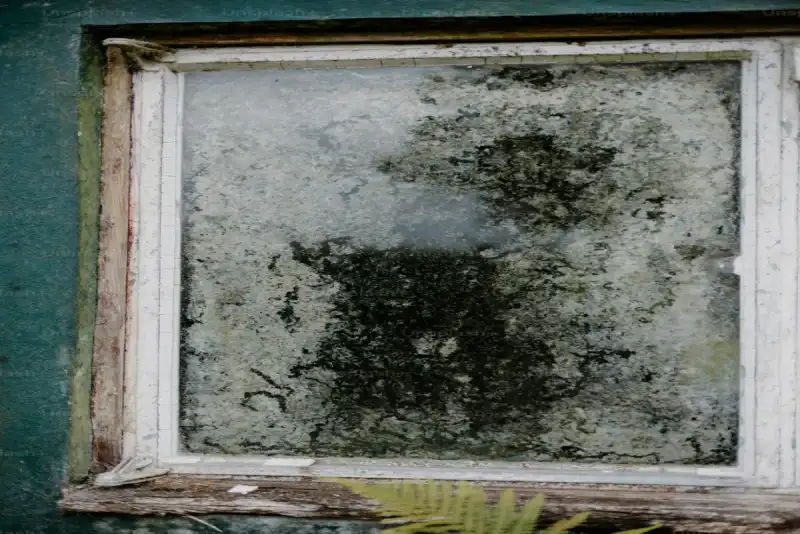
The film itself separates into layers. Window tint is a multi-layer product — adhesive, film substrate, UV-blocking layer, and top coat. When these layers separate, the film develops a cloudy, milky, or hazy appearance that can’t be cleaned away. It’s the film falling apart internally.
Delamination is most common in cheap tint exposed to extreme heat cycling. Texas summers provide exactly those conditions.
Scratches and Haze
Even quality tint can develop scratches from years of window cleaning, wiper contact (on rear windows with wipers), and general wear. Minor surface scratches don’t necessarily require replacement, but deep scratches that catch light or obstruct visibility mean it’s time.
General haziness across the film — not localized to bubbles or delamination — indicates the top coat has worn through and the film substrate is degrading. The tint no longer provides clear visibility, especially at night.
Failed Heat and UV Rejection
This one’s harder to spot visually but easy to feel. If your tinted vehicle feels noticeably hotter than it used to — or if you’re sunburning through the glass — the film’s functional properties have degraded. UV-blocking layers break down over time on lower-quality films, and the film may still look acceptable while delivering significantly reduced protection.
Why Old Tint Needs to Come Off Before New Tint Goes On
Some vehicle owners ask whether new tint can be applied over existing old tint. The answer is no — and here’s why.
Adhesion Problems
New film needs to bond to clean glass. Old film provides an irregular, degraded surface that new adhesive can’t grip properly. The result is premature failure of the new film — bubbling, peeling, and delamination that show up within weeks or months.
Uneven Appearance
Old film isn’t uniformly degraded. Layering new film over old creates an uneven appearance with visible inconsistencies in shade, clarity, and texture. It looks bad and it’s obvious that corners were cut.
Trapped Contaminants
Degraded adhesive from old film traps dirt, moisture, and debris between the layers. These contaminants can’t be removed without stripping the old film, and they’ll create bubbles and haze under any new film applied on top.
Increased Thickness
Doubling the film thickness changes the VLT and can push windows beyond Texas legal limits. It also affects how tightly the film conforms to curved glass, creating wrinkles and lifting edges.
Any shop that’s willing to apply new tint over old tint is cutting a corner you’ll regret. Proper removal first is non-negotiable for a quality result.
DIY Removal: Why Most People Regret It
YouTube and internet forums make tint removal look simple. Heat it, peel it, clean the glass. In practice, it rarely goes that smoothly, especially in Texas where the heat has baked the adhesive for years.
The Optimistic Scenario
On relatively fresh film (1-2 years old) with quality adhesive, DIY removal is possible. The film peels off in large sheets, and the adhesive residue comes up with a razor blade and some adhesive remover. Total time: 1-2 hours per window. If you’re patient and careful, you can get a clean result.
The Realistic Scenario
On older film, especially budget dyed tint that’s been through multiple Texas summers, the film has bonded aggressively to the glass while simultaneously becoming brittle. When you try to peel it, the film tears into small fragments instead of lifting in sheets. You’re left scraping quarter-sized pieces off the glass one at a time.
Then there’s the adhesive. Old, heat-baked adhesive turns into a stubborn, sticky residue that doesn’t come up easily. Razor blading adhesive off glass sounds simple until you’ve been at it for two hours on a single window and still have haze left. Apply too much pressure and you scratch the glass. Use the wrong chemicals and you damage the rubber seals, interior trim, or defroster lines.
Rear Window Defroster Lines
This is where most DIY removals go wrong. The rear window has thin defroster lines printed on the glass surface. These lines are fragile. Aggressive scraping with a razor blade can cut or lift the defroster lines permanently. Once damaged, the lines can’t be repaired without replacing the entire rear window — a cost of $400-1,200 depending on the vehicle.
Professional tint removal uses specific techniques and solutions to soften adhesive without aggressive scraping. We work carefully around defroster lines because we know how expensive that mistake is.
Time Investment
Budget 4-8 hours for a full DIY tint removal on a vehicle with degraded film. If the film comes off easily, you’ll be done faster. If the adhesive is baked on (the usual case in Texas), you’re looking at a full day of tedious scraping. Most people give up after one window and call a shop.
Professional Removal: What to Expect
The Process
Professional tint removal typically follows this sequence:
- Steaming or chemical softening — professional-grade steamers or adhesive-dissolving solutions soften the bond between film and glass
- Film removal — the film is peeled off in the largest possible sections to minimize residue
- Adhesive removal — remaining adhesive is removed using appropriate solvents and careful scraping techniques
- Glass cleaning and decontamination — the bare glass is cleaned to a pristine surface, free of any residue, haze, or contaminants
- Inspection — glass is checked for clarity, scratches, and defroster line integrity before any new film is applied
Timeframe
Professional removal takes 1-3 hours for a full vehicle depending on the film condition and number of windows. Badly degraded film with baked-on adhesive takes longer. Fresh film in decent condition comes off quickly.
Cost of Removal Only
If you just need the old film removed without replacement:
- Per window: $25-50
- Full vehicle (4-5 windows): $100-200
- Full vehicle with severely degraded film: $150-300
Cost of Removal Plus Retinting
Most clients removing old tint are replacing it with better film. The combined cost of removal and ceramic retinting:
- Sedan/coupe: $500-800
- Truck/SUV: $600-1,000
The removal is typically included or discounted when you’re getting new tint installed. At EuroLuxe, we include proper removal in our retinting service because starting with clean glass is essential to a quality installation.
How Old Tint Affects New Installation Quality
The quality of the removal directly impacts the quality of the new installation. This is where cutting corners catches up with you.
Adhesive Residue
Any adhesive left on the glass creates a contamination layer that prevents the new film’s adhesive from bonding directly to glass. Even a thin haze of old adhesive can cause bubbling, poor adhesion, and premature failure of new film. The glass must be completely free of residue — not “mostly clean” but perfectly clean.
Scratched Glass
Aggressive DIY scraping can leave micro-scratches on the glass surface. These scratches are invisible to the naked eye on bare glass but become visible under tint film, which magnifies surface imperfections. A professional removal avoids creating scratches that would show through the new installation.
Damaged Seals and Trim
Window tint edges are typically tucked under the rubber window seals. Careless removal can damage these seals, creating gaps where moisture enters and where the new film’s edges don’t seat properly. We remove seals carefully and reinstall them correctly during the retinting process.
Chemical Residue
Some DIY adhesive removers leave their own residue that interferes with new film adhesion. If you used WD-40, Goo Gone, or similar products during a DIY attempt, the glass needs thorough decontamination before new film will bond properly. Let your installer know what products were used so they can address any chemical residue.
When Removal Makes Sense Even Without Retinting
There are situations where you might want tint removed without replacing it:
- Pre-sale preparation — bad tint hurts resale value more than no tint. If your tint is degraded and you’re selling the vehicle, removing it is a smart investment
- Legal compliance — if your front windows are tinted below the Texas 25% VLT legal limit, removing the tint avoids citation risk
- Inspection failure — some Texas inspection stations check tint levels, particularly on front windows
- Personal preference change — new owner doesn’t want the previous owner’s tint choices
In most cases though, if you’re removing old tint, it makes sense to replace it with quality ceramic film while the glass is bare and prepped.
Preventing Premature Tint Failure
The best way to avoid dealing with tint removal is to start with film that lasts. Here’s how:
Invest in Quality Film
Ceramic window tint from reputable manufacturers lasts 10+ years in Texas conditions. The adhesive technology in premium films is engineered for extreme heat cycling and UV exposure. The upfront cost is higher, but you avoid the strip-and-replace cycle that budget film creates.
Choose an Experienced Installer
Even the best film fails if the installation is poor. Proper glass preparation, correct application technique, and appropriate curing conditions all determine how well the film holds up over time. An experienced installer at a dedicated shop consistently produces better results than a discount operation.
Follow Aftercare Instructions
Don’t roll windows down for 48-72 hours after installation. Wait 2-4 weeks before cleaning the glass. Use ammonia-free cleaners when you do clean. These simple guidelines protect the film during the critical curing period.
Protect the Film Edges
The edges of the film, where it meets the window seal, are the most vulnerable point. Avoid pulling on film edges, and keep gaskets and seals clean so they don’t create friction points that lift the film.
Ready for Fresh Tint?
If your current tint is showing any signs of failure — purple haze, bubbles, peeling, or haze — it’s time to replace it rather than wait for it to get worse. We’ll strip the old film properly, prep the glass to a clean surface, and install ceramic window tint that holds up to Texas conditions for the long haul.
Get a quote for tint removal and replacement, or call us at (713) 298-8819 to discuss your vehicle’s needs.
Frequently Asked Questions
How much does it cost to remove window tint?
Professional tint removal typically costs $100-300 for a full vehicle, depending on the number of windows and condition of the existing film. Severely degraded, baked-on film costs more to remove. When you’re replacing tint with new ceramic film, most shops (including EuroLuxe) include removal in the retinting price.
Can I put new tint over old tint?
No. New film applied over old tint will bubble, peel, and fail prematurely because the adhesive can’t bond properly to degraded film. It also creates uneven appearance and can push your VLT below legal limits. Old tint must be fully removed and the glass cleaned before new film is installed.
Is DIY tint removal safe for my rear defroster?
It’s risky. Rear window defroster lines are fragile and can be permanently damaged by aggressive scraping. Once damaged, the only fix is replacing the entire rear window ($400-1,200). Professional removal uses techniques that protect defroster lines. If you attempt DIY, work extremely carefully around these lines and avoid direct razor contact.
How long does professional tint removal take?
Typically 1-3 hours for a full vehicle. Film in better condition comes off faster. Badly degraded film with baked-on adhesive takes longer. If you’re having removal plus new tint installed, plan on 4-7 hours total or a full-day drop-off.
How do I know if my tint needs to be replaced?
The most obvious signs are purple discoloration, bubbling, peeling edges, cloudiness or delamination, and visible scratches. Less obvious signs include increased cabin heat (indicating reduced heat rejection) and sunburn through previously protected glass (indicating UV rejection failure). If your tint is more than 5 years old and showing any of these symptoms, it’s time.
Will tint removal damage my windows?
Professional removal does not damage glass when performed correctly. The film and adhesive are removed using steamers, solvents, and careful technique. The glass is left clean and clear. DIY removal carries more risk of scratching the glass through improper scraping technique, which is why we recommend professional removal for most vehicles.